


A single-day corporate event is one thing. A four-day national conference with 3,000 attendees, simultaneous breakout sessions, an exhibit hall, evening social events, and a headshot station? That’s a whole different challenge. Here’s how we approach the logistics of multi-day conference photography.
Pre-Event: Building the Coverage Plan
Every multi-day engagement starts with a deep dive into the event agenda. We map out every session, keynote, meal, networking break, and social event — then build a coverage schedule that ensures comprehensive documentation without burning out our team.
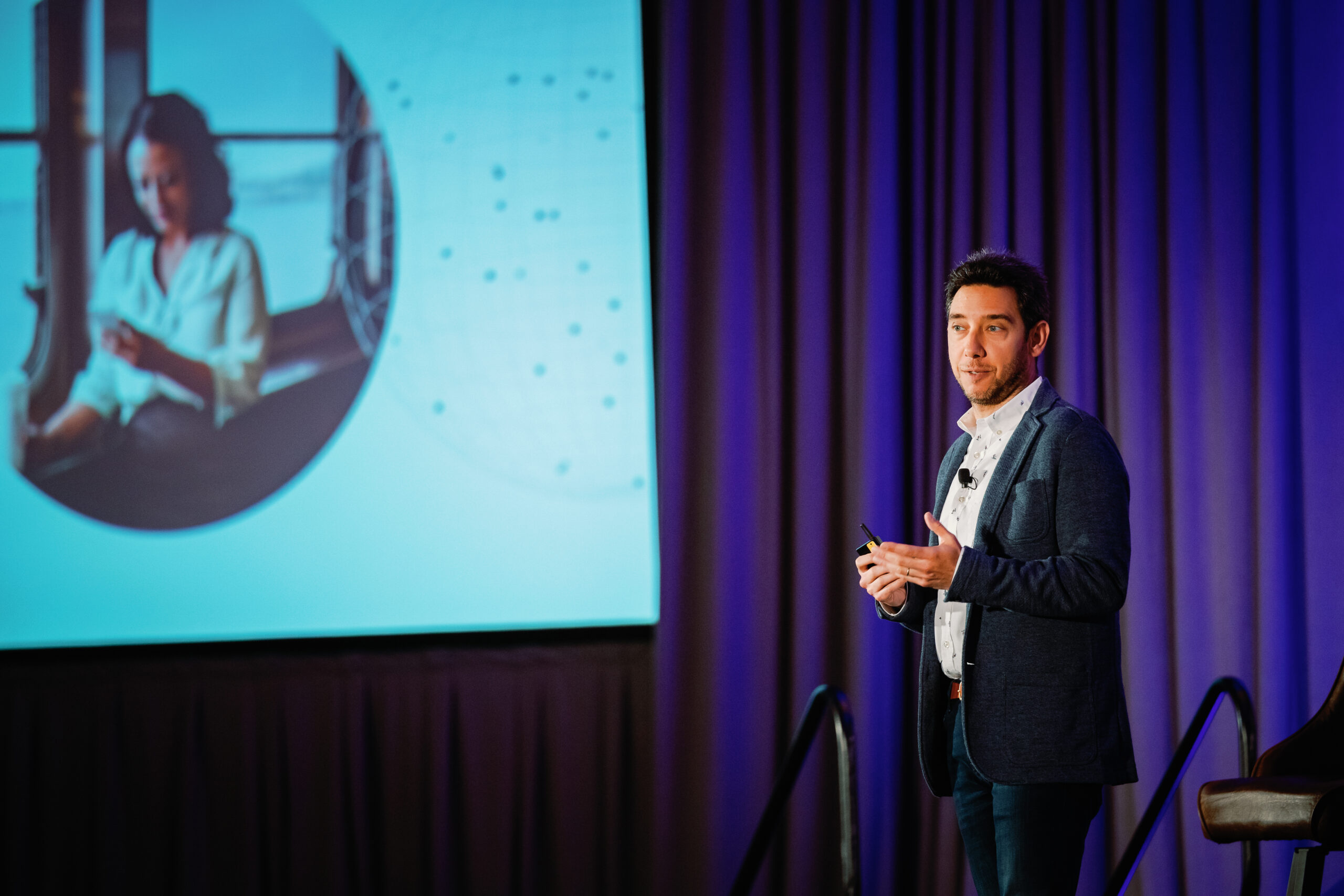
For a typical 3-4 day conference, the coverage plan addresses: which sessions get photographer presence, where the photographer should be during keynotes (stage-right for speaker close-ups? Back of house for audience shots?), transition times between venues or floors, headshot station staffing and break schedules, and evening event coverage hours.
Staffing: One Photographer or Two?
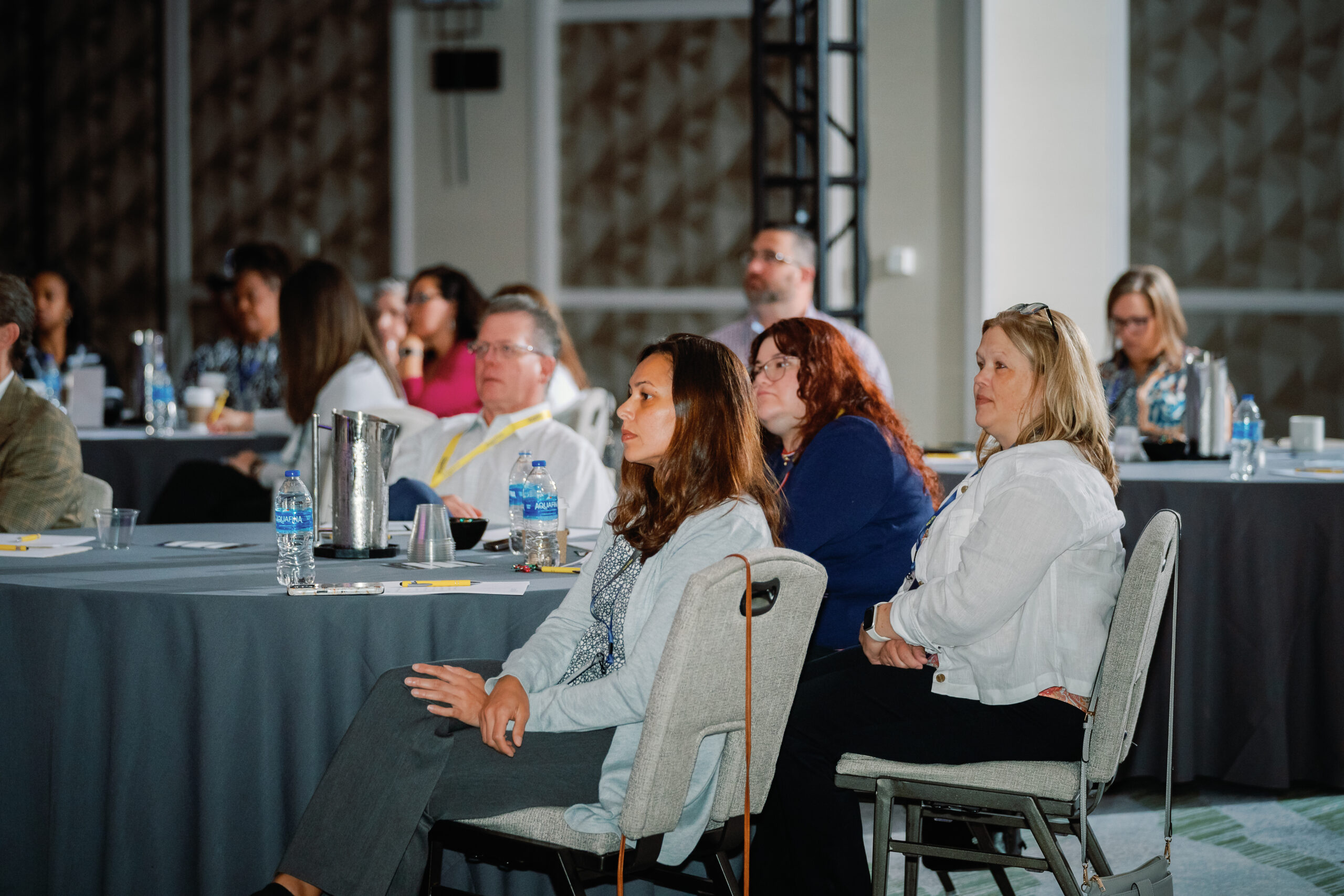
The answer depends on your event’s complexity. A single photographer can effectively cover a conference with linear programming — one thing happening at a time. But the moment you have simultaneous tracks, you need to make choices about what gets covered and what doesn’t.
For events like the Arrow Electronics ACT Conference, we staff two full-time photographers on a coordinated schedule. One anchors the main stage while the second roams breakout sessions, the exhibit hall, and captures candid networking moments. Daily check-ins with the event team keep us aligned on priorities as the schedule evolves.
Daily Workflow
During a multi-day conference, our typical daily workflow looks like this: arrive 30 minutes before programming starts for setup shots and environmental images, cover the morning keynote and sessions per the coverage plan, photograph the headshot station during breaks (if applicable), midday check-in with the event team to review priorities for the afternoon, afternoon sessions and exhibit hall coverage, evening social event coverage, and upload daily selects to Dropbox for the marketing team to access overnight.
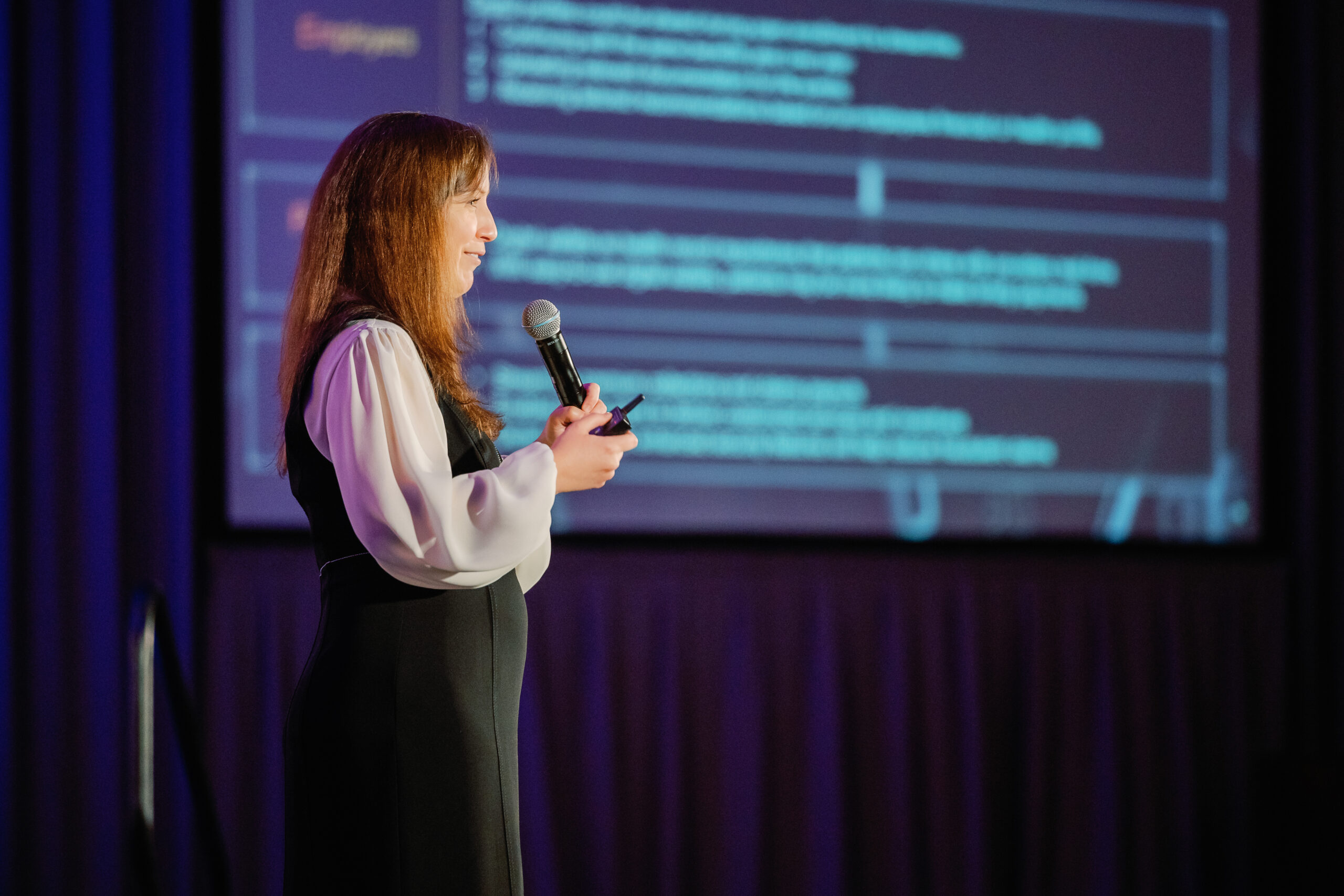
That last step is critical for conferences. Your marketing team should be posting to social media in real time — not waiting two weeks for the final gallery.
Headshot Stations at Scale
When we run headshot stations at multi-day conferences, the numbers add up fast. At AASLD’s Liver Meeting, we operated 2 headshot stations across 32 hours of coverage over 2 days. That’s hundreds of attendees photographed, retouched, and delivered — most of them same-day.
The key to high-volume headshot operations is a streamlined process: professional lighting that doesn’t need constant adjustment, a clear flow from check-in to shoot to delivery, and an on-site editing team that’s retouching images as fast as we’re shooting them.
Post-Event Delivery
For multi-day conferences, the full gallery can be extensive — often 1,000+ images across all days. We organize everything by day and session type, apply consistent retouching across the entire gallery, and deliver within two weeks via our online platform. Clients get a private link to view, download, and share.
Ready to plan coverage for your multi-day conference? See how we’ve handled similar events and reach out to start the conversation.
Sorry, the comment form is closed at this time.